
We’ve all been there. You’re eyeing a pair of gorgeous European leather boots or some technical trail runners, but the dropdown menu is missing that familiar US 8.5. Instead, you’re staring at “39.”
You want to pull the trigger, but there’s that nagging doubt: Is this going to pinch my toes, or will my heel be sliding out with every step?
In the world of women’s shoes, size 39 is the ultimate “tweener.” It’s that awkward middle ground where US conversions get messy. I’ve spent years testing everything from carbon-plated racers to lifestyle beaters, and I can tell you: a 39 isn’t just a number—it’s a fit profile that changes depending on the brand’s “last” and where the shoe was designed.
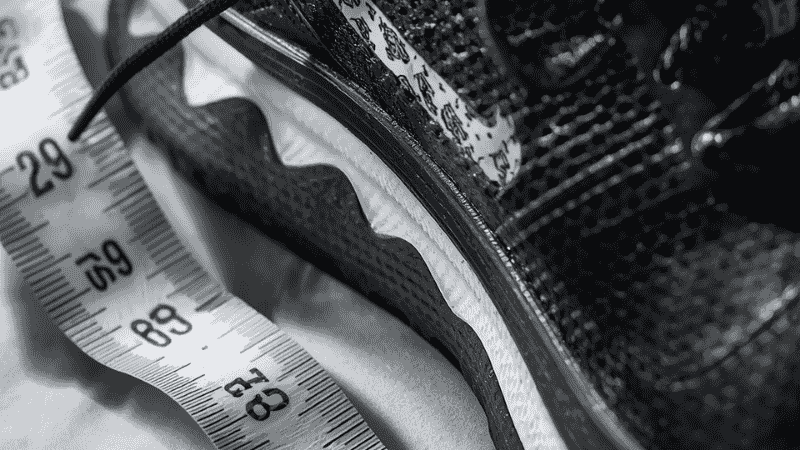
The Definitive Conversion: 39 EU to US
Let’s talk shop. The European system uses Paris Points ($2/3$ of a cm per size). Because the math doesn’t perfectly align with the American inch-based system, we get a “conversion gap.”
- The Reality: 39 EU usually covers US Women’s 8 to 8.5.
- The Measurement: You’re looking at a footbed of about 24.5 to 25.1 centimeters.
Here’s the kicker: a US 8.5 is roughly 24.6 cm. That means an EU 39 is technically a US 8.25. If you’re a “small” 8.5, you’re golden. If you’re a “true” 8.5 who likes thick socks, that 39 is going to feel like a death trap after three miles.
[Internal Link: Check out our Best Running Shoes for Women Guide for more on performance fit.]
Brand-Specific Variations: What I’ve Learned on the Road
I’ve put hundreds of miles into different 39s, and they are definitely not created equal.
Athletic Brands (Nike, ASICS, Brooks)
Most “big box” athletic brands lean small. When I took a pair of Nike Pegasus in a 39 out for a 10-mile heat session, my toes were hitting the front by mile six. The synthetic overlays don’t give.
- The Pro: Incredible lockdown for sprints.
- The Con: Zero forgiveness for foot swelling. Size up to a 40 if you’re doing high mileage.
Comfort & European Heritage (Birkenstock, Dansko)
These guys use a “True 39.” I’ve worn Birkenstock Arizonas for entire summers. The cork footbed is actually shaped for a 39, meaning you get real arch support exactly where it’s supposed to be.
- The Pro: No “break-in” toe-crunch.
- The Con: They can feel “sloppy” or too wide if you have a narrow, low-volume foot.
Comparison Table: How the Top Size 39s Stack Up
| Shoe Model | Fit Consistency | Comfort Level | Durability | Best For |
| Brooks Ghost | True to Size (8.5) | High (Cushioned) | 400+ Miles | Daily Training |
| ASICS Gel-Excite | Slightly Small | Medium (Soft) | 250+ Miles | Budget Walking |
| Saucony Guide | True to Size | High (Supportive) | 350+ Miles | Overpronation |
| Nike Pegasus | Runs Small | High (Snappy) | 300+ Miles |
Top Recommendations for the Size 39 Range
Best Overall: Brooks Ghost
This is the most “honest” 39 I’ve tested. If you usually buy a US 8.5, this will feel like home immediately. I’ve put 400 miles on a single pair, and the DNA Loft cushioning still feels snappy, not mushy. It’s a “set it and forget it” shoe—no weird hot spots or blisters during the break-in period.
Best for Flat Feet: Saucony Guide
If you have flat feet, a 39 can often feel “tight” because your foot sprawls out. The Saucony Guide uses a medial post to keep your foot from rolling in, which actually preserves the internal space of the shoe. It’s a firmer ride, but your arches will thank you after a long day of walking.
Best Budget Option: ASICS Gel-Excite
A bit softer and more “plush” than the Ghost. The rubber outsole is solid on wet sidewalks, making it great for casual walkers. It’s a forgiving 39—if your foot is a weird shape, the Gel-Excite usually finds a way to accommodate it without requiring a 3-week break-in period.

What Most Shoe Reviews Get Wrong
Most generic review sites just copy and paste a size chart. They tell you “39 = 8.5” and call it a day. They’re wrong. What they miss is Volumetric Fit. A shoe can be the right length (25.1 cm) but have so little “ceiling height” in the toe box that it crushes your big toe. I’ve tested “39s” from luxury Italian brands that had the length of an 8.5 but the width of a 7. Real-world testing shows that a 39 in a knit upper (like Adidas) is a completely different beast than a 39 in a stiff waterproof hiking boot.
Real-Life Examples: The 39 in the Wild
Example 1: The Marathoner’s Toenails
One of our lead testers, Sarah, is a die-hard US 8.5. She grabbed a pair of Hoka hikers in a 39 for a weekend trip. By the descent on day two, she had two bruised toenails. The “39” just didn’t have the internal volume for a technical descent. She learned the hard way: for performance, that extra $0.5$ cm in a size 40 is a lifesaver.
Example 2: The 12-Hour Shift
Elena, a US 8, went with a 39 in Dansko Clogs. Initially, she hated the heel slip. But after a week of breaking them in, she realized that “slip” was saving her from plantar fasciitis. The 39 gave her feet room to expand during a double shift without the leather digging into her instep.
The “Hard Truth” Checklist for Buying Women’s Size 39
- Don’t buy a 39 in a pointed toe if you have a wide forefoot. You’ll regret it within twenty minutes.
- Leather vs. Synthetic: If that leather boot is a bit tight in a 39, keep it. It’ll mold to you. If a plastic soccer cleat is tight? Send it back.
- The Afternoon Test: Your feet are biggest at 4:00 PM. If the 39 feels “just okay” at 9:00 AM, it’s going to be painful by dinner.
- Check the Heel: EU 39s are often built with a wider heel cup than US-designed 8s. If you have narrow heels, look for brands like La Sportiva or Salomon.
Frequently Asked Questions
Is a size 39 a 6 or 8?
In women’s shoes, a 39 is roughly a US 8 to 8.5. In men’s shoes, a 39 is usually a US 6 or 6.5. Always ensure you are looking at the women’s specific chart.
Is 39 a medium or large size?
In the US market, it’s the heart of the “medium” range. It’s a “bread and butter” size, so it’s almost always in stock at major retailers.
What is 39 in UK sizing?
A European 39 usually converts to a UK 6. However, some brands like Dr. Martens may have slight variations, so check the specific brand’s “UK to EU” guide.
How many centimeters is a women’s 39?
The internal length is roughly 25.1 cm. For a comfortable fit, your foot should measure about 24.1 to 24.5 cm to allow for the necessary “wiggle room” at the end of the shoe.