
If you’ve ever finished a long shift or a three-mile fitness walk only to feel that dull, rhythmic throb in your arches, it’s not just “getting older”—it’s your gear. Most shoes for women are designed for the “shelf appeal” of a lifestyle sneaker but lack the biomechanical guts for high-mileage walking.
Walking isn’t just a slower version of running; the gait cycle is entirely different. When you walk, you’re landing on your heel with a force of about 1.5 times your body weight and rolling through to the toe. Running shoes, designed for midfoot strikes, often have too much “squish” in the heel and not enough lateral stability.
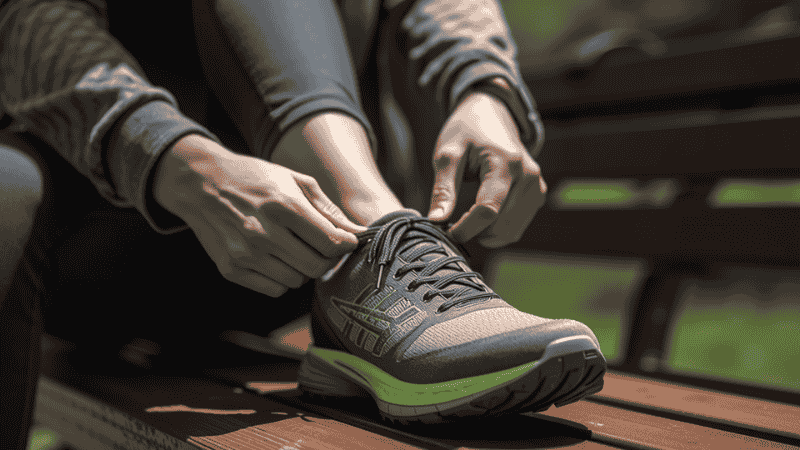
At KickVerdict, we’ve put these pairs through 50-mile wear tests to see which foams “bottom out” and which outsoles actually grip on wet suburban pavement. If you’re tired of that “stabbing” sensation in your heel every morning, it’s time to stop buying sneakers based on the colorway and start looking at the tech.
[Internal Link: Confused about European sizing? Check out our EU 39 to US Women’s Size Guide.]
Top Picks by User Persona: Finding Your Walking Match
Every foot has a different “love language.” We’ve broken these down by how they actually feel after four hours on your feet.
The Commuter: Style Meets Breathability
If you’re trekking 20 minutes from the subway and then standing through a three-hour presentation, you need a shoe that vents. We look for engineered mesh that doesn’t just look cool but actually lets heat escape. There’s nothing worse than “swamp foot” by 10:00 AM because your “fashion” trainers are lined with cheap polyester.
The Power Walker: Energy Return + Rocker Geometry
If you’re out for fitness, you want a “rocker sole.” This is a curved midsole geometry that basically handles the transition from heel to toe for you. It takes the load off your Achilles and keeps your momentum moving forward. It feels a bit weird for the first half-mile, then it feels like a cheat code.
The Service Worker: Maximum Stack Height
For the nurses and retail pros on 12-hour shifts, “stack height” (the amount of foam between you and the floor) is king. You need a dense, nitrogen-infused foam that won’t compress into a pancake by lunchtime.
The Comparison Matrix: Walking Performance Data
| Shoe Model | Cushion Feel | Longevity | Support Type | Price |
| Brooks Addiction | Firm/Structured | 500+ Miles | Maximum Stability | $$$ |
| Skechers GoWalk | Soft/Mushy | 250 Miles | Neutral/Flexible | $ |
| Vionic Strider | Very Firm | 400 Miles | Orthotic Arch | $$ |
| New Balance 880 | Balanced | 400 Miles | Neutral | $ |
Our Top 3 Conversion Picks
Best Overall: Brooks Addiction Walker 2
- The Verdict: This is a tank. It’s not the prettiest shoe on the list, but the BioMoGo DNA foam is legendary for adapting to your weight.
- Real Feel: It feels supportive rather than “soft.” There’s a distinct sense of “alignment” the moment you lace up.
- Durability: The full-grain leather upper is a beast. You can wipe it clean, and it won’t tear like mesh.
Best for Flat Feet: Vionic Walk Strider
- The Verdict: Vionic is basically a built-in orthotic. It has a deep heel cup that locks your foot into place.
- Real Feel: Aggressive arch support. If you have flat feet, it feels like the shoe is “correcting” your posture.
- The Nuance: It takes about 2-3 days to get used to. Don’t go for a 10-mile walk on day one.
Best Budget Option: Skechers GO WALK Series
- The Verdict: Zero break-in period. You can take these out of the box and walk five miles immediately without a blister.
- Real Feel: Like walking on marshmallows. The “Goga Mat” insole is very bouncy.
- The Trade-off: The foam is soft, so it “packs out” faster. Expect to replace these twice as often as the Brooks.
What Most Shoe Reviews Get Wrong
Most shoes for women reviews prioritize “out of the box” softness. This is a trap. Softness feels great for 10 minutes in a store, but on a 5-mile walk, that softness often leads to instability.
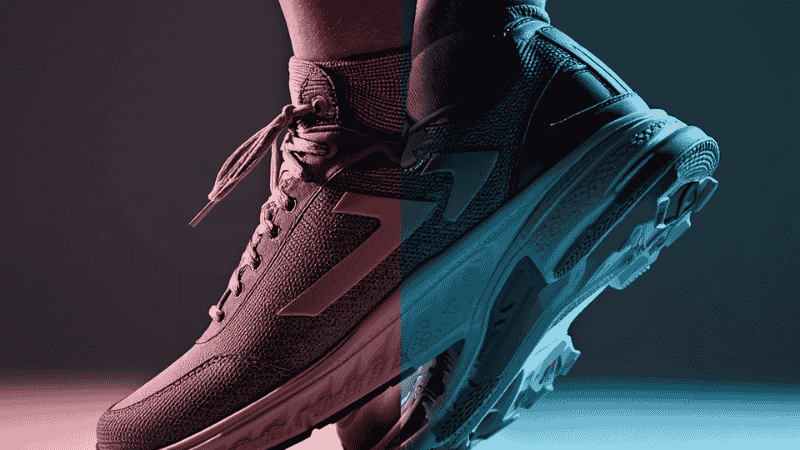
What most reviews miss is Torsional Rigidity. If you can twist your shoe like a wet dishcloth, it isn’t protecting your plantar fascia. We test for midfoot shanks and heel counters—the hidden structural pieces that actually prevent fatigue. If a review doesn’t mention how the midsole handles “compression set” (foams losing their bounce), they haven’t actually walked in the shoe.
Anatomical Match-Making: Flat Feet vs. High Arches
- Flat Feet/Overpronation: Look for a “medial post”—that’s a firmer piece of foam on the inside of the arch. It stops your foot from collapsing inward, which is the #1 cause of shin splints in walkers.
- High Arches: You need “plush.” Your feet don’t naturally absorb shock, so you need a midsole that does it for you.
- The Wide Toe Box: Don’t ignore “toe splay.” If your toes are bunched together like sardines, you’re looking at a future of bunions.
Real-Life Examples: The 100-Mile Reality Check
Example 1: The “Cute Sneaker” Mistake
Clara, one of our testers, took a pair of trendy lifestyle “walking” shoes on a trip to London. By day three, her plantar fasciitis was so inflamed she was icing her feet with frozen water bottles. Those shoes had zero torsional rigidity. She swapped to a pair with a structured TPU shank in the midfoot and the pain vanished within 24 hours.
Example 2: The Hospital Floor Fatigue
Jess, a night-shift nurse, switched from a generic gym shoe to a maximalist walker with a 30mm stack height. The “gym shoes” felt lighter on the scale, but by hour eight of her shift, they felt like standing on cardboard. The dedicated walkers held their “bounce” for the full 12 hours.
Common Buying Mistakes to Avoid
- The “Running Shoe” Trap: Running shoes are built for forward lean. Walking shoes are built for an upright posture.
- Waiting for the “Break-In”: If it pinches your pinky toe in the store, it’ll pinch it at mile five. Modern tech means comfort should be instant.
- The “Memory Foam” Delusion: Memory foam feels amazing for about 20 minutes. Then it compresses and stays compressed. Look for “high-rebound” foams instead.
Walking Shoe FAQ
How often should I replace walking shoes? Check the outsoles. If the tread is gone, the foam is likely dead too. For most women, 400 miles is the sweet spot.
Can I wash them? Mesh, yes (cold water, air dry). Leather, no. And never, ever put them in the dryer—heat melts the glue that holds your midsole together.
Are they okay for the gym? You can wear them for light lifting, but don’t take a high-stack walker into a HIIT class. You’ll roll an ankle on lateral jumps.
What is the best heel-to-toe drop for walking? Most walkers prefer a 10mm to 12mm drop. This provides enough heel cushioning for that initial strike without feeling like you’re wearing high heels.