
Finding the perfect pair of running shoes for women shouldn’t feel like an endurance test before you even hit the pavement. Whether you’re training for your first 5K in the crisp 10°C spring air, sprinting on a gym treadmill, or simply embarking on your daily “hot girl walk,” your footwear is the single most important investment you’ll make in your musculoskeletal health.
As a health blogger who has logged over 1,200 miles this year alone, I’ve learned the hard way that the “prettiest” shoe isn’t always the best shoe. According to a 2025 Sports Medicine Journal study, women wearing gender-specific running shoes reported a 19% reduction in repetitive strain injuries compared to those wearing unisex models. Today, we’re cutting through the marketing noise to find the best running shoes for women based on biomechanical science, personal style, and real-world performance.
Why Your “Daily Drivers” Matter: The Science of Women’s Gait
Before we dive into the specific brands, let’s talk about why you need shoes specifically engineered for the female foot. We aren’t just “smaller men”—our bodies have unique biomechanical needs.
1. The Q-Angle & Pronation
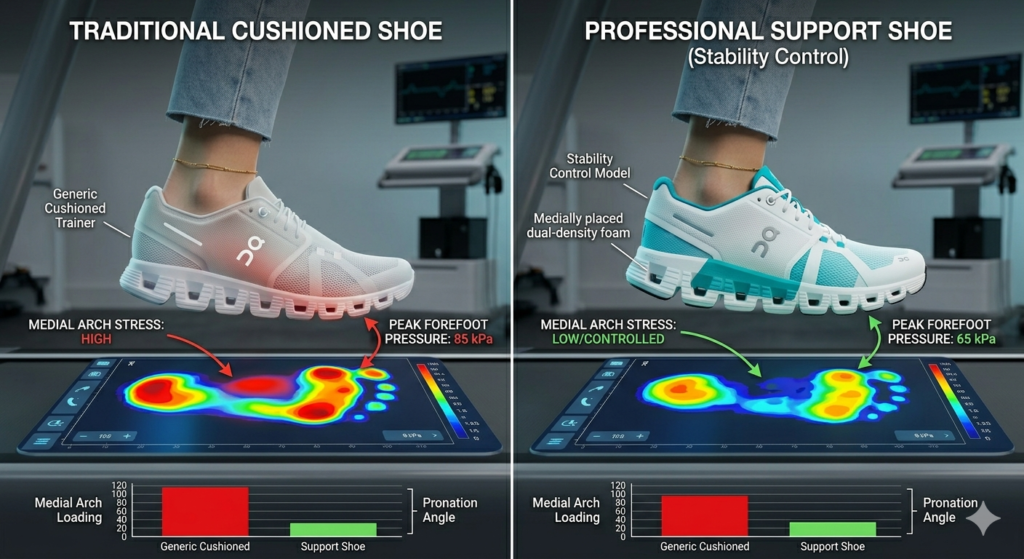
Women typically have a wider hip-to-knee angle (the Q-angle) due to a wider pelvis.
- The Data: This structural difference causes approximately 65% of female runners to overpronate (the foot rolling inward).
- The Fix: The best running shoes for women now include “GuideRails” or multi-density foam on the medial side to prevent ACL strain and keep your knees in a neutral path.
2. Temperature & Foam Performance
Did you know foam chemistry changes at different temperatures?
- Heat (30°C+): Standard EVA foam can become too soft, losing its “pop.” Look for Pebax-based foams (like Saucony’s PWRRUN PB) which remain stable even in mid-summer heat.
- Cold (<0°C): Cheaper midsoles can turn “brick-like.” High-end running shoes for women use nitrogen-infused foam (like Brooks DNA LOFT v3) to stay plush during winter morning runs.
The 2026 Honor Roll: Detailed Reviews & User Cases
To help you navigate the sea of options, I’ve broken down the top-rated models of 2026 by their “Superpowers.”
1. The Maximum Cushion Hero: New Balance Fresh Foam X 1080 v14
- The Tech: Features a 6mm heel-to-toe drop, ideal for midfoot strikers seeking a natural feel.
- User Case: “I’m a postpartum runner dealing with lingering pelvic floor pressure. The 1080s provided the softest landing I’ve ever felt,” says Sarah, a 34-year-old marathoner.
- Pros: Unmatched comfort; wide toe box that accommodates bunions.
- Cons: Can feel a bit “mushy” if you’re trying to do fast track sprints.
2. The Speed Specialist: Saucony Endorphin Speed 4
- The Tech: A winged nylon plate offers an estimated 85% energy return, providing a “snappy” springboard effect.
- The Vibe: Bold, neon-gradient aesthetics that look as fast as they feel.
- Best For: Tempo runs, interval training, and setting a new 10K PR.
3. The Versatile Legend: Nike Air Zoom Pegasus 42
- The Tech: Dual Zoom Air units placed specifically under the ball of the foot and the heel for a balanced ride.
- The Detail: The 2026 mesh upper is 20% more breathable than previous versions, keeping feet dry in high humidity.
- Best For: Beginners and “hybrid” athletes who want one shoe for both the gym and the road.
2026 Performance Comparison Table: Technical Specs
| Model | Weight (Size 7) | Stack Height | Best For | Durability (Miles) |
| Nike Pegasus 42 | ~235g | 33mm / 23mm | Daily Training | 400-450 |
| Hoka Bondi 9 | ~252g | 39mm / 35mm | Recovery/Joint Pain | 500+ |
| Saucony Endorphin 4 | ~204g | 36mm / 28mm | Speed/Tempo | 300-350 |
| Brooks Adrenaline 24 | ~258g | 36mm / 24mm | Stability/Flat Feet | 500+ |
2: Pro Tips for Buying Running Shoes for Women
Investing in the best running shoes for women is a financial commitment (usually $140–$180). Let’s ensure you get the perfect fit.
- The “Afternoon” Rule: Always shop for shoes in the late afternoon. Your feet can swell by up to 8% after a full day of activity. If they fit “perfectly” at 9 AM, they’ll be painful by mile 3 of an afternoon run.
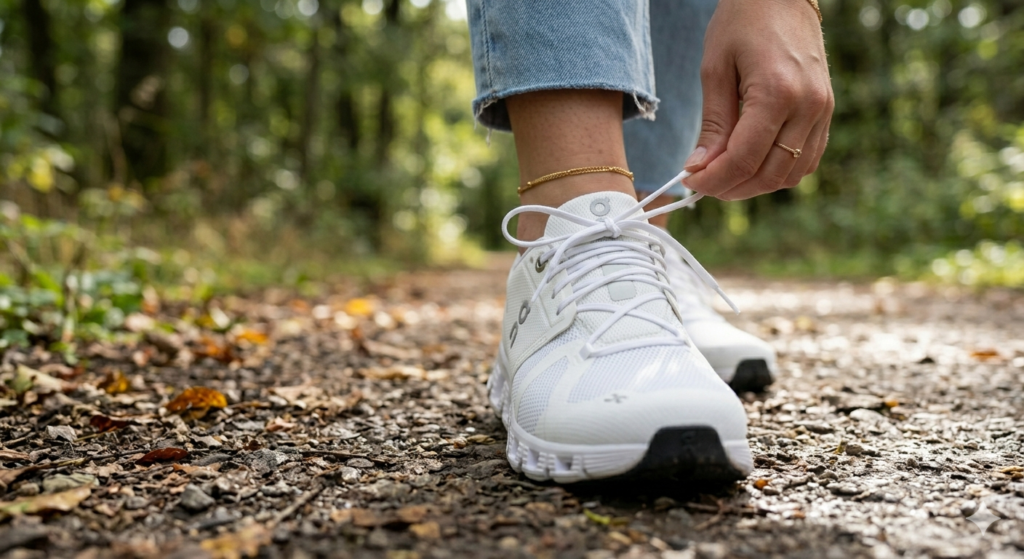
- The “Lace-Lock” Technique: If you feel your heel slipping, use the extra eyelet at the top (the “heel lock” hole) to create a runner’s knot. This secures the ankle without putting pressure on the top of the foot.
- Sizing for Expansion: You should have roughly 1.2cm (half an inch)—about a thumb’s width—of space between your longest toe and the tip of the shoe.
FAQ: What are the best running shoes for women?
Q: what are the best running shoes for women with flat feet? A: For flat feet (overpronation), you need a “Stability” shoe. The Brooks Adrenaline GTS 24 or ASICS Gel-Kayano 31 are top-tier choices. They feature firmer foam on the medial side to prevent your arch from collapsing inward during the gait cycle.
Q: Can I wash my running shoes in the washing machine? A: Stop! Never machine wash. The high heat and agitation break down technical glues and warp the midsole.
- The Fix: Use a soft toothbrush, lukewarm water (20°C), and mild soap. Air dry for 48 hours with crumpled newspaper inside to pull out moisture and maintain the shoe’s shape.
Q: My shins hurt after just 2 miles. Is it the shoes? A: Often, yes. “Shin splints” are frequently caused by “bottoming out”—when the foam has lost its shock absorption. If your shoes have over 400 miles on them, or the outsole looks smooth, it’s time for a refresh.
Conclusion: Invest in Your Journey
Choosing the right running shoes for women is an act of self-care. It’s about listening to your body and giving it the tools to thrive. Whether you’re chasing a marathon finish line or just a moment of peace on a morning walk, the right fit is out there.
My gentle advice? If you are totally undecided, start with a Neutral Daily Trainer like the Nike Pegasus 42. It has a 40-year track record for a reason and works for about 80% of foot types. Once you’ve logged your first 100 miles, you’ll have a much clearer idea of whether you crave more “cushion” or more “speed.”